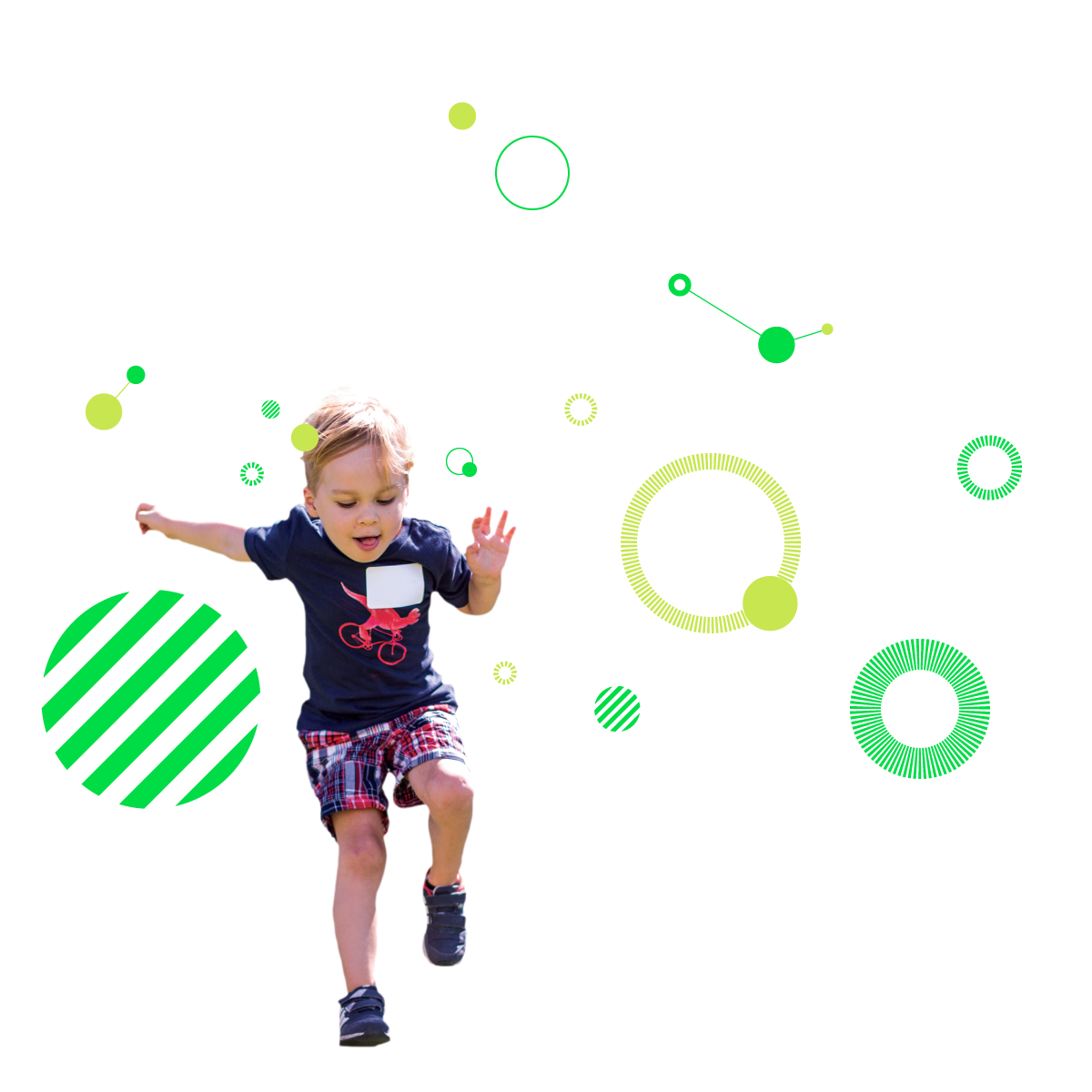
Recently, I had the pleasure of spending time with Kindergartener Sienna, who shared the book Press Here, by Hervé Tullet, an interactive picture book that invited me into a child’s sense of wonder.
We don’t teach idealized versions of children, we teach the wonderfully real, gloriously unique humans who walk into our classrooms each day. The way we educate them, with intention, empathy, and high expectations, equips them to navigate an increasingly complex world with clarity, courage, and compassion. And when they do, the world won’t just be ready for them, it will be better because of them.
In these first weeks of school, teachers and students co-create classroom norms and culture, shaping learning spaces where every student feels empowered to take risks and explore bold ideas. When students have choice, voice, and a sense of ownership, their engagement deepens, not out of obligation but out of genuine inspiration. We foster and model that spirit early in the year, because meaningful learning begins with meaningful connection.
The past few years—indeed, the past few days—have taught us a great deal about uncertainty, resilience, and how to keep moving forward when the path shifts beneath us. Life doesn’t always unfold the way we hope or deserve. It just… unfolds. And in those unpredictable moments when it feels that our agency is diminished, we do get to choose how we respond.
The past few years—indeed, the past few days—have taught us a great deal about uncertainty, resilience, and how to keep moving forward when the path shifts beneath us. Life doesn’t always unfold the way we hope or deserve. It just… unfolds. And in those unpredictable moments when it feels that our agency is diminished, we do get to choose how we respond.
Both of our children got into their first-choice high schools. They had multiple acceptance options when admissions decisions were released. We didn’t have letters of recommendation from well-connected family friends, nor did we know anyone on either school’s board. We didn’t hire an admissions consultant (and, to my knowledge, neither did most families in their grades). We didn’t make a donation to improve their odds. They applied to schools that were a good fit—and presented themselves as they are: curious, intelligent, lovely, funny, and imperfect.
As we move into a time of gratitude with the celebrations of light that can help us through the winter solstice and into the renewal of the new year, we can simultaneously face the pressures of pleasing others, of reuniting with families and friends, and of making the holidays memorable and joyful—as well, perhaps, as the anticipation of disappointment when things might not feel as “perfect” as we planned.
It’s hard to ignore the swirling emotions that are building the closer we get to November 5, as the anticipation of what the news cycle might bring can lead to unease and uncertainty. At Turning Point, we have the anchoring responsibility of our shared commitment to children. In the coming days, teachers and staff will continue to provide a non-anxious presence that encourages students to access curiosity and compassion when exploring their own questions and feelings around the election. This also affords us an excellent opportunity to teach about the democratic process in age-appropriate ways.
William Bruggemann, the renowned scholar, wrote that hope is a “tenacious act of imagination.” This concept requires us to remain committed to envisioning a future that transcends our current understanding and invites us to dream freely of new possibilities. Even with broken hearts, we have the ability to hold the complex and often messy truths of our world. We can resist oversimplified narratives that paint conflicts in black and white, labeling one side as entirely “right and good” and the other side as wholly “wrong and bad.” Our hearts are big enough to both honor our own viewpoints and to feel the suffering of those in opposition to us.
In our diverse community, each member brings their own complex histories, identities, and experiences to common experiences: we all enjoy celebrations and endure sorrows, and we all want to be seen and valued. At Turning Point, we celebrate our diversity and strive to create an environment where everyone can belong. This includes caring for each other in community by inviting new families to join events, reaching out to those who are grieving, listening closely to others to hear and honor their stories—not even when but especially when their experiences diverge from our own.